Instruments of the Andes
Materials, families, uses and differences between zampoña, quena, charango and other instruments.
Explore instruments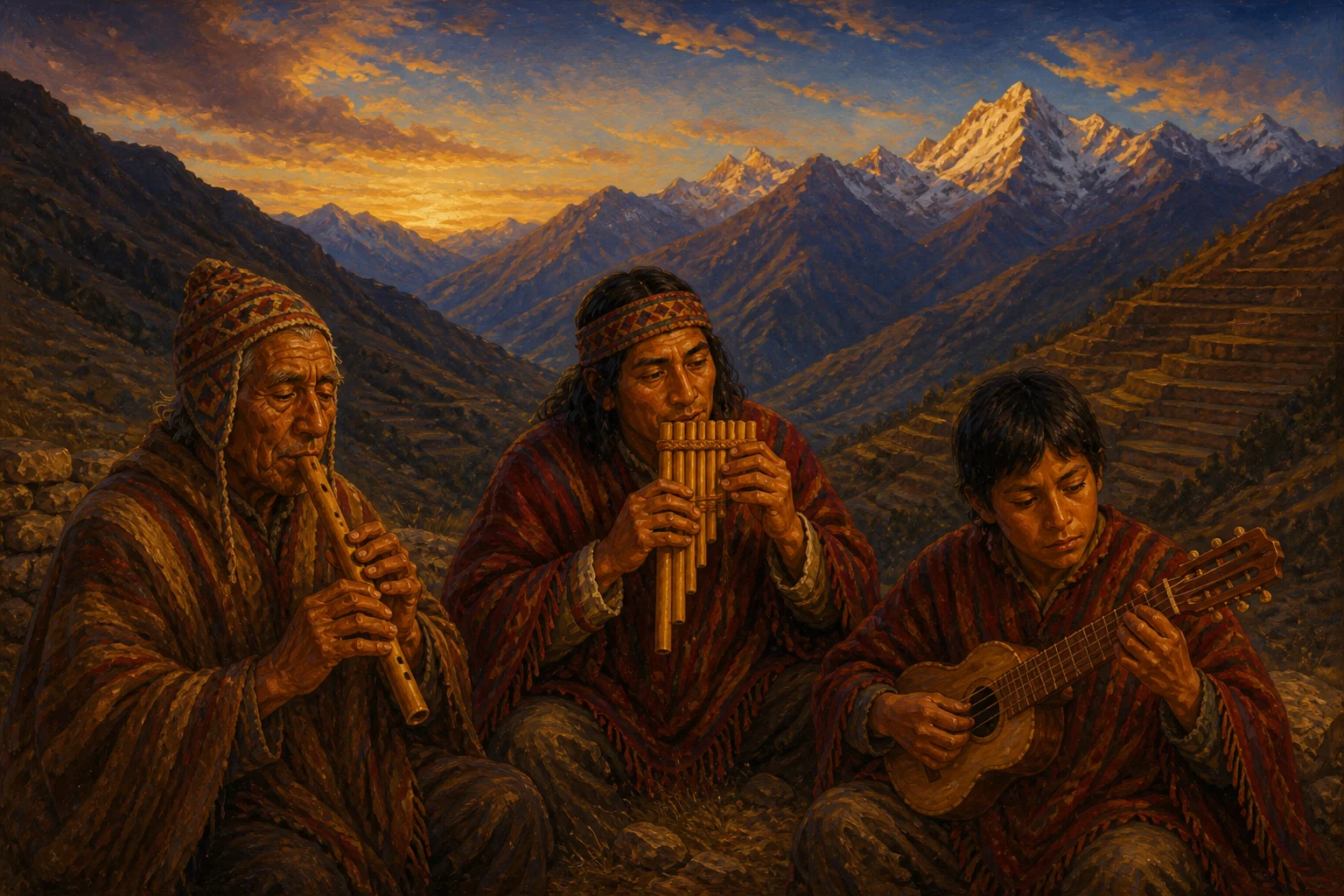
“Music older than the Incas. Sounds that the earth remembers."
 Older than the Incas
When we talk about Andean music, we are not just talking about the Incas. We are talking about the pre-Inca period: about cultures that existed long before Tahuantinsuyo.
Scientists found in the Pisco area zampoñas and quenas made of fired clay that are more than 5,000 years old. This means that these instruments were already being played when the first pyramids were being built in Egypt.
Robert is convinced that all the indigenous peoples of South America come from the same root. Different cultures – Quechua, Aymara, Guaraní – developed in different ways, but common motifs can be heard in their music.
| Region | Wind | Percussion | rope |
|---|---|---|---|
| Peru | Zampoña, quena | Bass drum, chakchas | Charango |
| Bolivia | Zampoña, tarka | ringworm | Charango |
| Ecuador | Rounder, quena | Bass drum | Charango |
| Mexico | Tlapitzalli | Huehuetl | — |
| Europe | pan flute | Tambourine | — |
When the Spanish conquerors heard the music of the native peoples for the first time, they were amazed by the harmony of the instruments with the landscape. Indigenous musicians consciously imitated the sounds of nature:
 water
water
 Birds
Birds
 Animals
 Wind
Wind
Nature gave its own — bamboo, clay, bones — and recovered its voice in music.
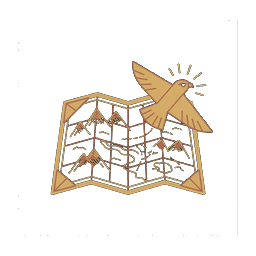 Geography of sound
Cradle of clay panpipes (Pisco). Patrons and Inti Raymi festivities.
Oruro Carnival. Debates about the origin of the charango. Tarka.
Rondador (variety of zampoña). Festival of the Sun.
Siku, tarka and cultrún (Mapuche). New Year's parties.
Bagpipes, cumbia: synthesis of indigenous and African tradition.
Bamboo and atabaque flutes. Samba, percussive base.

Patron festivals: synthesis of Catholicism and traditions.
Music accompanies agricultural cycles.
Summer and autumn melodies, music of the solstices.
Inti Raymi: sacred festival of the winter solstice.
Shamanic healing rituals with drums.
Street parties with dances and masks.
“Our ancestors knew very well what music is and where it leads. That's why music always existed, sound always existed. And in every corner of the world there are its own roots.
The timeline and current cultural sections remain intact. These connections allow us to move from the historical context to the instrument and music without turning heritage into commercial decoration.
Materials, families, uses and differences between zampoña, quena, charango and other instruments.
Explore instruments
How instruments are found in repertoires, settings and moments of listening.
Explore music
Robert's Peruvian perspective and his musical path in Moscow.
Meet Robert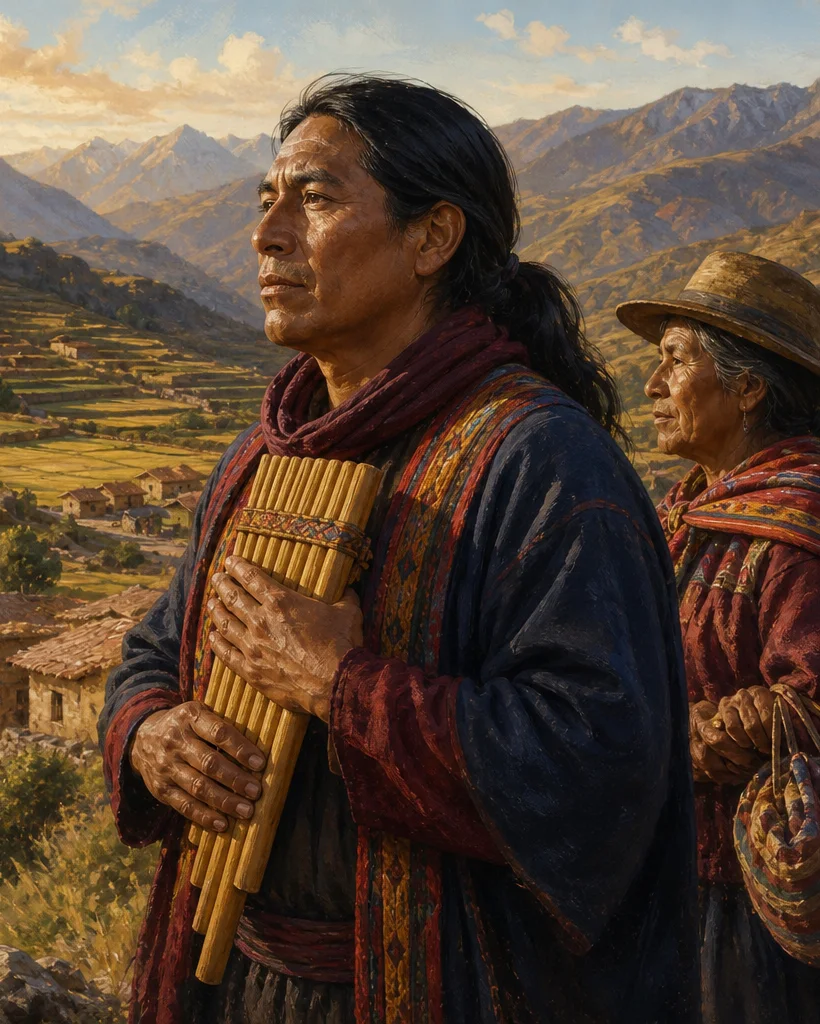
For Robert, playing outside of Peru means representing the culture inherited from his ancestors. He recognizes himself as Peruvian and, at the same time, an indigenous representative of the peoples of America from Canada to Chile. This is your personal position, expressed in your own voice.