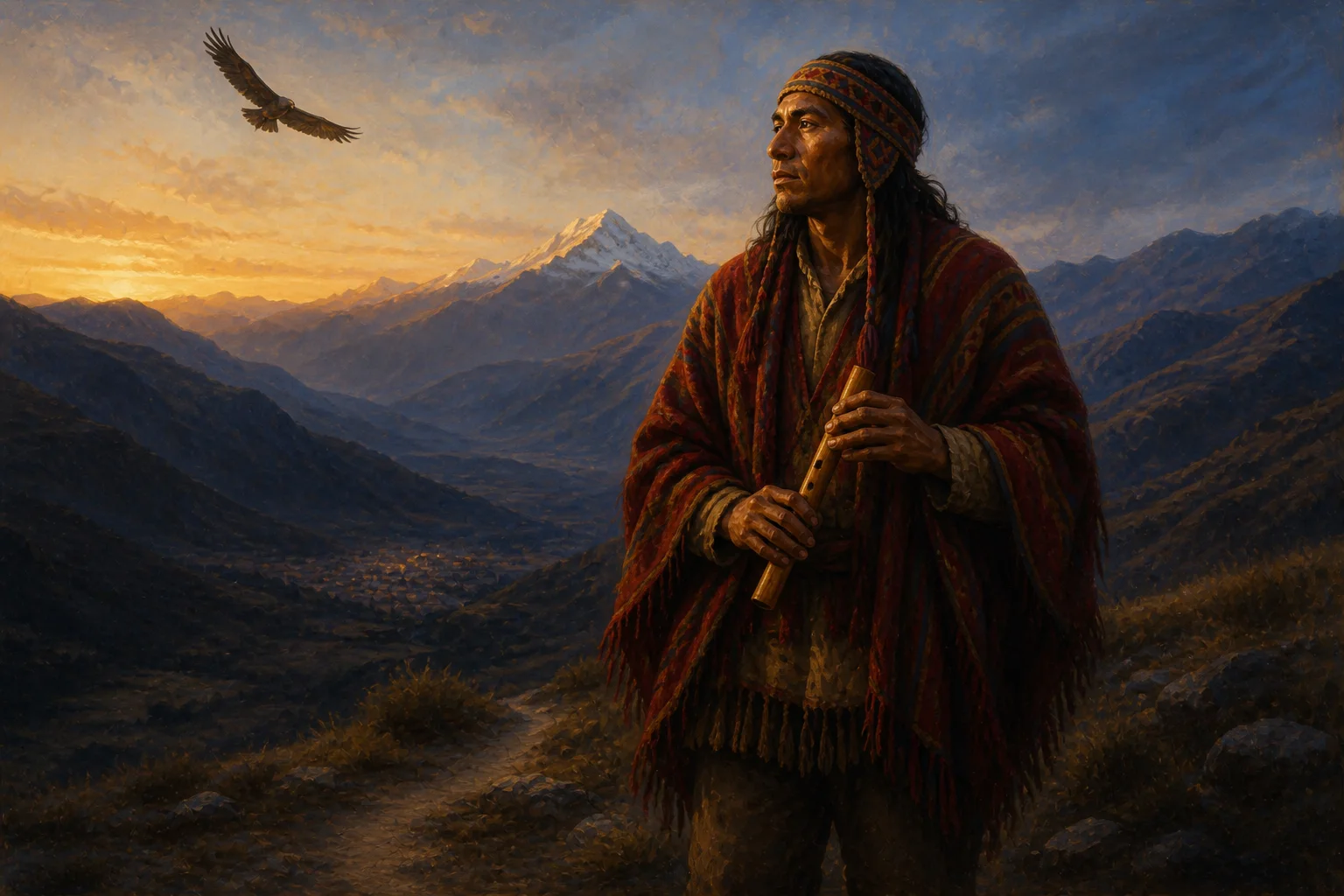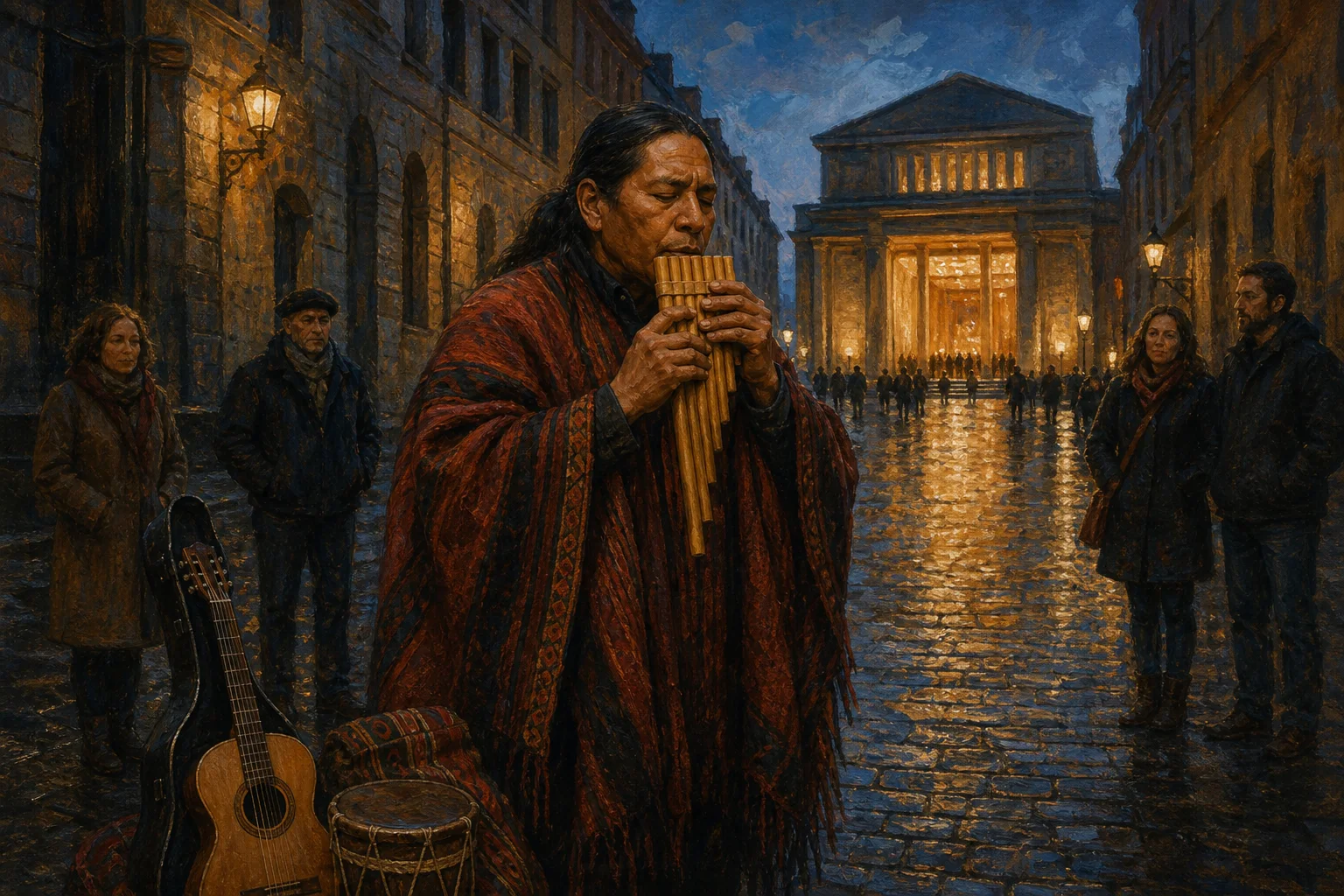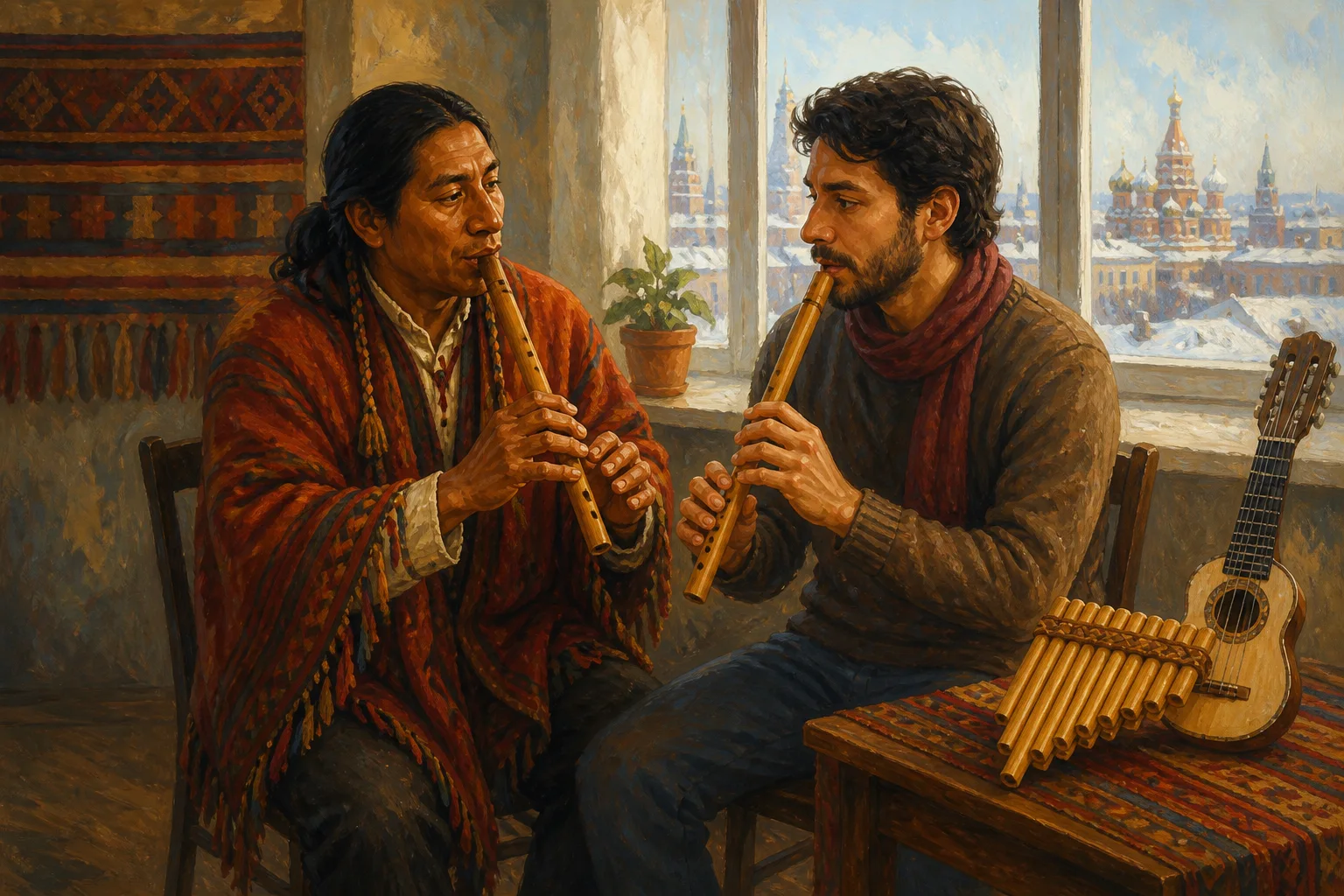
Teaching an Andean instrument is not just about showing where to place your fingers. For Robert Mamani, each class brings together breathing, technique, listening and the cultural context that gives meaning to the music.
From performer to teacher
After years playing Andean instruments, Robert began receiving students. Some came with a clear idea; Others only knew that the sound of a quena or a panpipe had moved them. Your task as a teacher is to turn that initial attraction into a possible practice.
It does not require that the person know how to read music to begin. Robert himself trained largely by ear. It does ask for patience, a willingness to repeat, and respect for the instrument. A class can guide, but the body learns between one class and the next.
Zampoña: breathe and move with precision
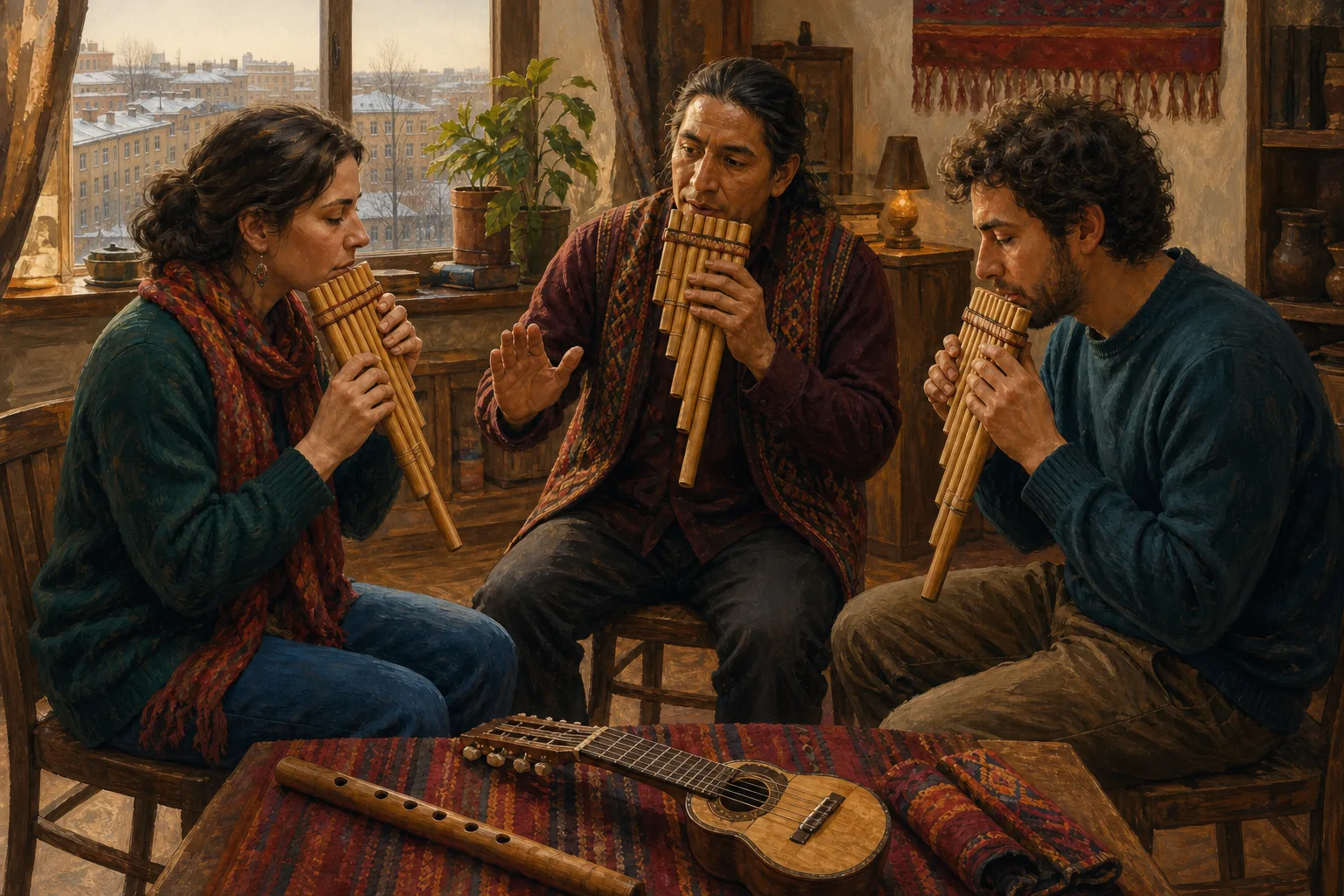
Learning begins with breathing and the direction of the air. The student looks for a clean sound, learns to attack each tube and reduces unnecessary movements. Then figures, articulations and melodies appear.
A special practice is braided: two performers alternate notes and together build a musical line. No one owns the complete melody separately. Concentration is essential at the beginning; With practice, the exchange begins to flow.
Quena and quenacho: build the sound before running
On the quena, Robert works embouchure, breathing and fingering. The first objective is not to play a difficult piece, but to produce a note that can be repeated without tension. Then the holes, scales and phrasing are coordinated.
The quenacho shares principles, but its size and low register modify the posture and the amount of air. That is why the exercises must correspond to the student's real instrument.
Native American flute and charango: other paths
The Native American flute lends itself especially to slow melodies, improvisation, and contemplative practices. The student knows his scale, learns to cover the holes and discovers how to construct a sentence without filling every moment with notes.
The charango requires another relationship with the body: tuning, chords, strumming, coordination of hands and pulse. Robert has also taught this instrument in Russia and values the dedication of those who approach a tradition born far from their place of residence.
The real problem of getting an instrument
To learn you need a suitable instrument. In Russia it is not always easy to find a tuned quena, a panpipe of the correct size or a well-built charango. Shopping without guidance can turn excitement into frustration.
Robert recommends consulting before choosing. In some cases it can help evaluate models or ask about instruments from South America. Availability, price and shipping are studied individually; There is no fixed catalog that works for everyone.
In person, online, individual or group
Classes can be held individually or in groups. The in-person format allows you to observe better posture and breathing. The online format opens the possibility to students from other cities and countries, as long as the camera and sound allow us to distinguish what is happening.
The rhythm depends on the starting point, the instrument and the actual practice time. That's why Robert avoids promising that a person will master the technique in an identical number of sessions.
“With concentration at the beginning and with practice later, anything is possible.”
Learning finds meaning in playing with other people
One of the objectives that Robert is most excited about is to bring together students who have already worked on a repertoire and give them the opportunity to present it. A student concert is not just a test. It shows that knowledge has passed from one person to another and returns to the community transformed into music.
For someone born far from the Andes, playing these instruments can fulfill a dream and open a respectful relationship with another culture. For Robert, teaching is a form of cultural representation: sharing techniques, but also a way of listening to nature, the group and the memory of those who played before.
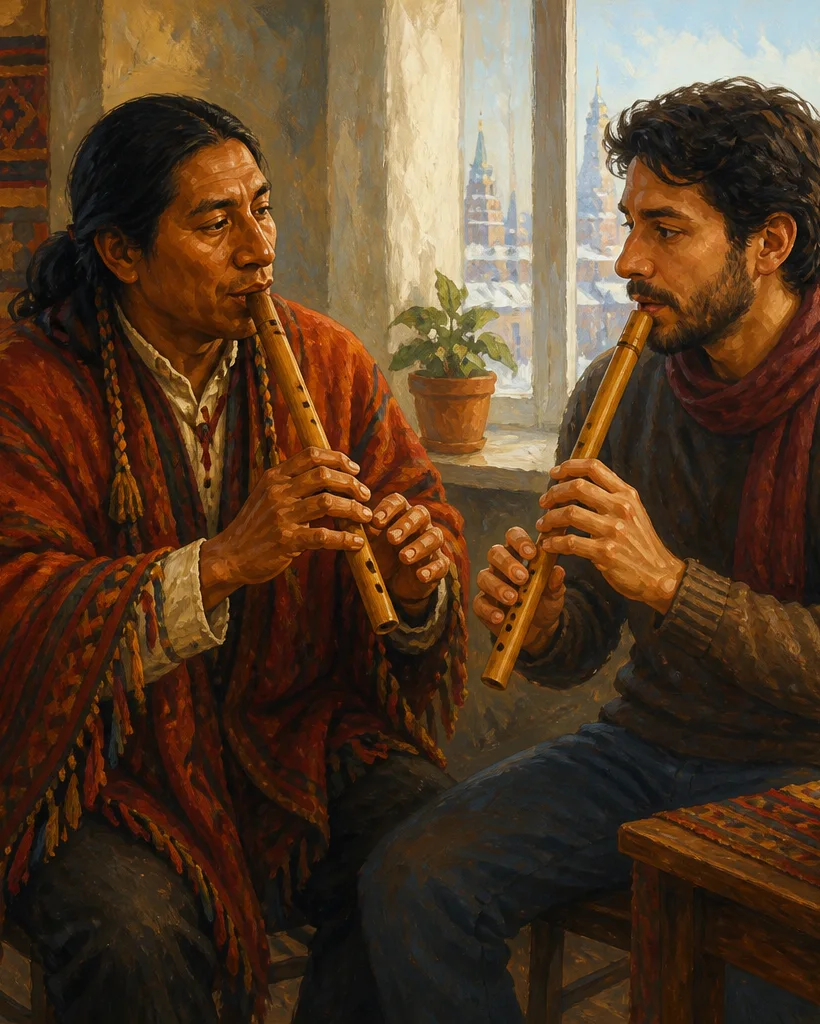
Robert Mamani
Peruvian musician, performer and teacher of Andean instruments, creator of the Hawk Spirit project.